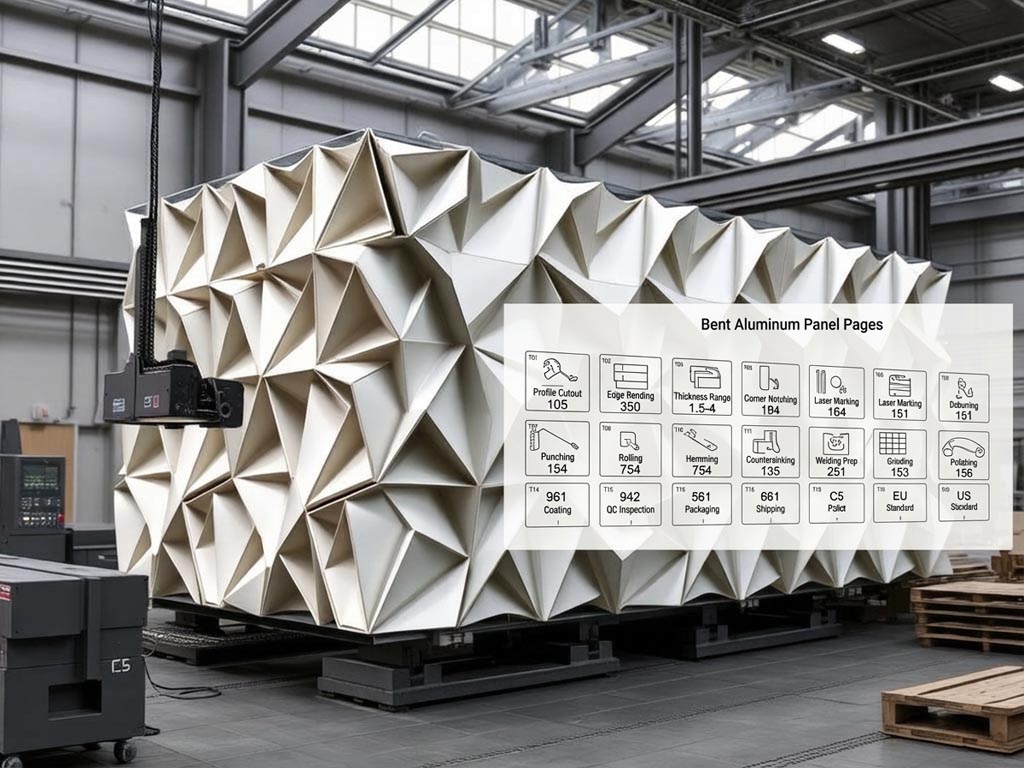
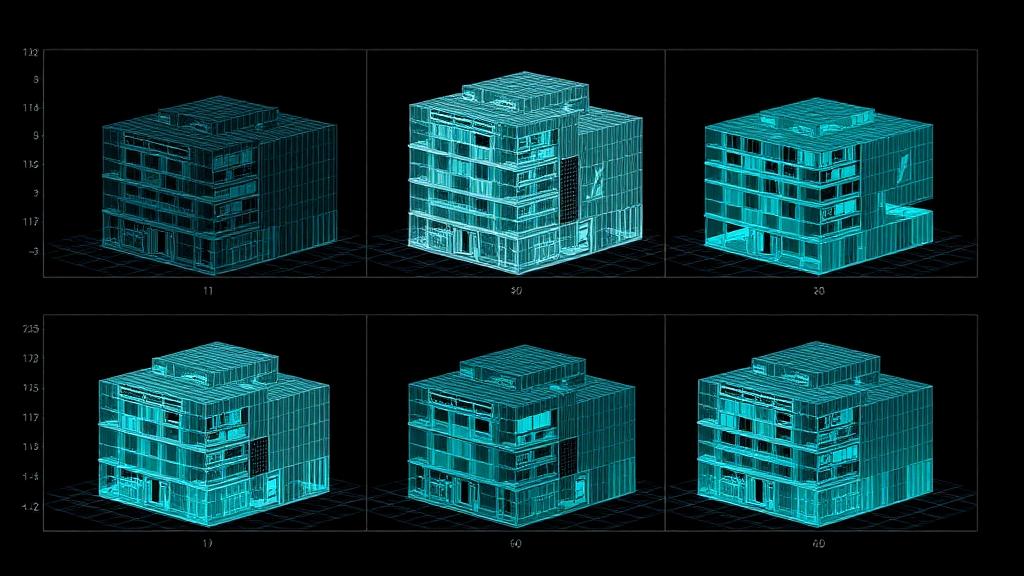
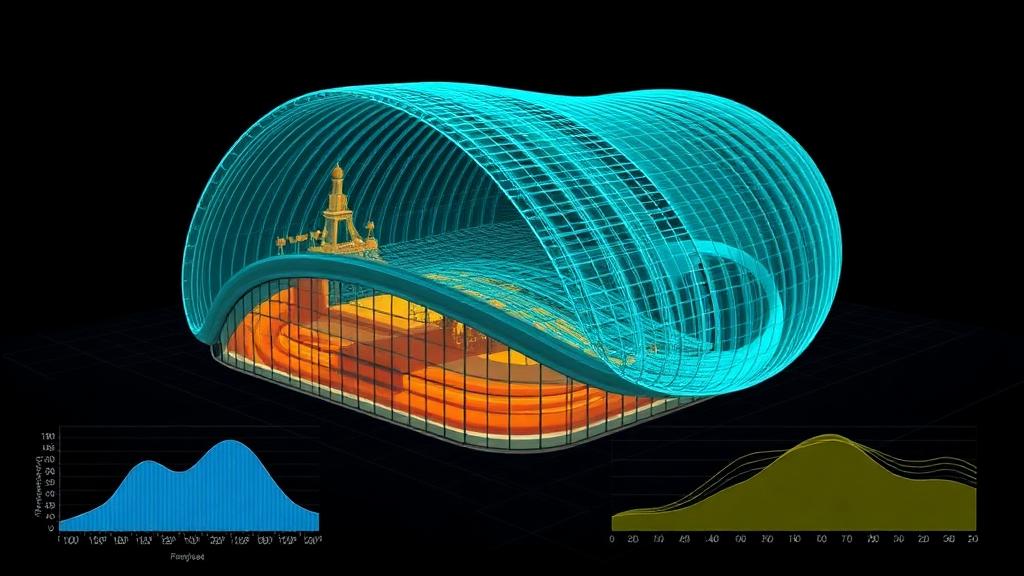
Computational design is how ambitious geometry becomes buildable, how complex facades become fabrication-ready, and how design teams move from drawing one option to evaluating thousands. This category covers the discipline end to end: the algorithmic thinking and toolchain that powers it (Grasshopper, Dynamo, Rhino.Inside.Revit, Python and C# scripting), and the high-stakes applications where it earns its keep. We cover facade rationalisation that turns doubly-curved skins into manufacturable panel systems with controlled cost. We cover Design for Manufacture and Assembly that makes the unbuildable buildable, with kit-of-parts logic, repetition maximisation, and contractor-specific automation. We cover multi-objective parametric optimisation that balances structural efficiency, cost, constructability, and architectural intent on a Pareto front rather than collapsing the problem into a single answer. And we cover the new front line: computational approaches to embodied carbon and material optimisation, where the sustainability case is increasingly the commercial case. Whether you are an architect exploring complex form, an engineer rationalising a freeform structure, or a contractor automating fabrication output, the patterns here apply across building, infrastructure, and product scales.
All articles in Computational Design(6)



Explore other categories
Want to apply this in your projects?
We build production-grade systems, not theoretical frameworks. Let's discuss your specific challenges.