How Data-Driven Decision Making is Reshaping Project Delivery
Construction's Data Paradox
Construction projects generate vast quantities of data: models, schedules, cost reports, site diaries, quality records, safety observations, weather data, equipment telemetry, and labour tracking. Yet most project decisions are still made on intuition, experience, and whatever information happens to surface in a weekly meeting. The firms that are winning mega projects are the ones turning this raw data into structured, real-time intelligence that drives faster, better-informed decisions.
From Reports to Dashboards
Traditional project reporting is retrospective: monthly reports compiled manually from multiple sources, presented in static formats, reviewed weeks after the data was relevant. Modern project intelligence replaces this with live dashboards that pull data directly from the platforms where work happens: BIM models, CDE platforms, scheduling tools, cost systems, and site management apps. The shift from reports to dashboards is not cosmetic: it is the difference between managing by rearview mirror and managing by windscreen.
Predictive Analytics for Programme and Cost
The next frontier beyond live dashboards is predictive analytics. Machine learning models trained on historical project data can identify patterns that precede programme delays and cost overruns. Early warning systems flag risks weeks before they materialise in traditional reporting. Scenario modelling lets project teams evaluate the impact of decisions before committing resources. This is not speculative technology: it is already deployed on Tier 1 projects globally.
IoT and Digital Twins
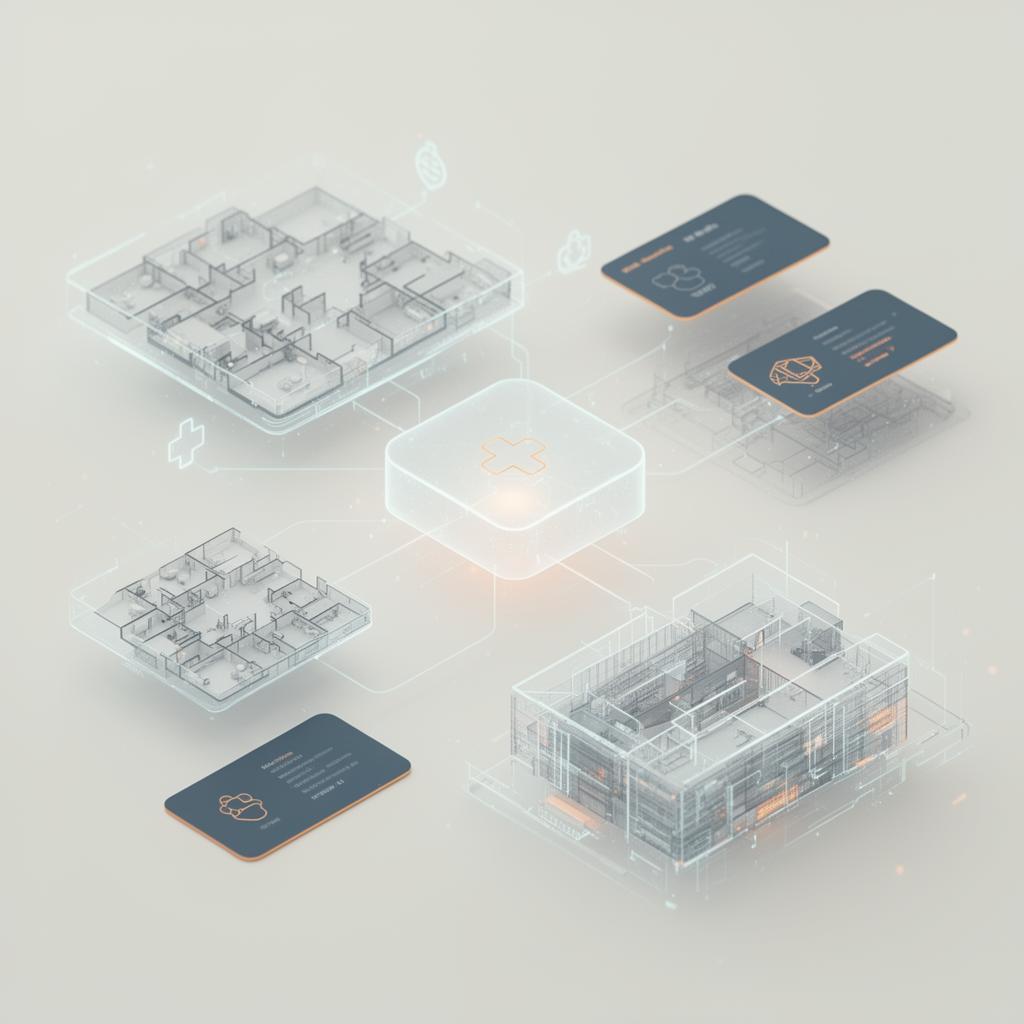
The convergence of BIM models, IoT sensors, and cloud computing creates digital twins: live digital representations of physical assets that update in real-time. During construction, digital twins track progress, monitor environmental conditions, and validate quality. During operations, they optimise energy performance, predict maintenance needs, and inform capital planning. The BIM model delivered at project completion becomes the foundation for decades of operational intelligence.
Building the Data Capability
Becoming a data-driven organisation does not start with buying analytics software. It starts with data governance: standardising what data is captured, how it is structured, and where it lives. Then comes integration: connecting the platforms that hold the data. Then visualisation: building dashboards that surface the right information to the right people at the right time. Finally, intelligence: layering analytics and AI on top of the governed, integrated data foundation. We help firms build all four layers as a cohesive system.
Related case studies

Need help implementing this in your projects?
We build production-grade systems, not theoretical frameworks. Let's discuss your specific challenges.