Digital Twins: From Construction Handover to Operational Intelligence
What is a Digital Twin?
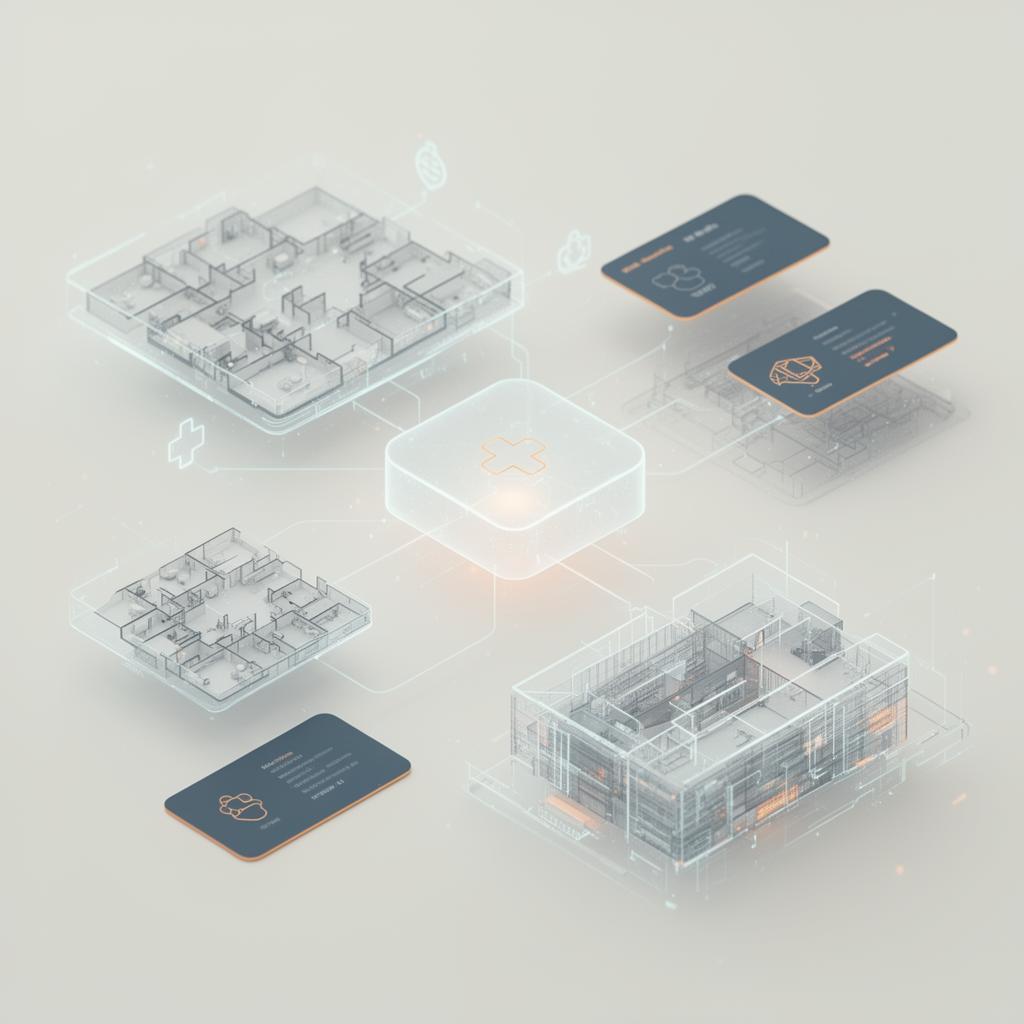
A digital twin is more than a BIM model handed over at practical completion. It is a live, continuously updated digital representation of a physical asset that integrates real-time data from IoT sensors, building management systems, maintenance records, and occupancy tracking. The BIM model provides the geometric and spatial backbone. Data integration transforms it from a static record of what was built into a dynamic operational tool that actively supports facility management, energy optimisation, and capital planning decisions.
Building the Twin During Construction
The most effective digital twins are not created at handover. They are built progressively during construction. As each system is installed and commissioned, the model is updated with as-built information: actual equipment serial numbers, installed locations, commissioning data, and warranty details. Point cloud scans verify geometric accuracy. IoT sensors are mapped to model elements during installation, not retrofitted after occupation. This approach ensures that the digital twin is accurate and operational from day one of building occupation.
Operational Intelligence: Beyond Maintenance Management
Basic digital twins support reactive maintenance: a piece of equipment fails, the facilities team locates it in the model, reviews its specifications, and schedules repair. Advanced digital twins are predictive: they monitor equipment performance trends, identify anomalies before failures occur, and schedule proactive maintenance during low-occupancy periods. The most mature digital twins are prescriptive: they recommend operational changes, optimise energy consumption in real time, and model the impact of retrofit options before capital is committed.
Data Integration Architecture
A production-grade digital twin requires a robust data integration architecture. This includes connections to Building Management Systems (BMS) for HVAC, lighting, and fire systems; IoT platforms for environmental monitoring (temperature, humidity, CO2, occupancy); Computer-Aided Facility Management (CAFM) systems for maintenance scheduling and asset tracking; and energy monitoring systems for real-time consumption data. The integration layer normalises data from these disparate sources and maps it to the spatial context provided by the BIM model.
The Long-Term Value Proposition
Buildings operate for 50-100 years. The BIM model delivered at completion represents a tiny fraction of the asset's lifecycle cost. A well-maintained digital twin provides value across decades: reducing energy costs through continuous optimisation, extending equipment life through predictive maintenance, informing refurbishment decisions with accurate spatial and performance data, and supporting regulatory compliance with automated reporting. The initial investment in digital twin infrastructure is repaid many times over across the operational life of the asset.
Related case studies

Need help implementing this in your projects?
We build production-grade systems, not theoretical frameworks. Let's discuss your specific challenges.