Beyond Photography: AI-Powered Signature Product Imagery
Why Traditional Product Photography Breaks at Scale
A modern product range can have hundreds, sometimes thousands, of variations: finishes, sizes, configurations, accessories. Photographing every combination in a styled set is a logistical and financial impossibility. Traditional photography also drifts: scenes shift, lighting changes, photographers change, and over time a catalogue stops looking like one brand. By the time a new finish lands, the shoot for it has slipped a quarter.
GIRIH X Signature Imagery
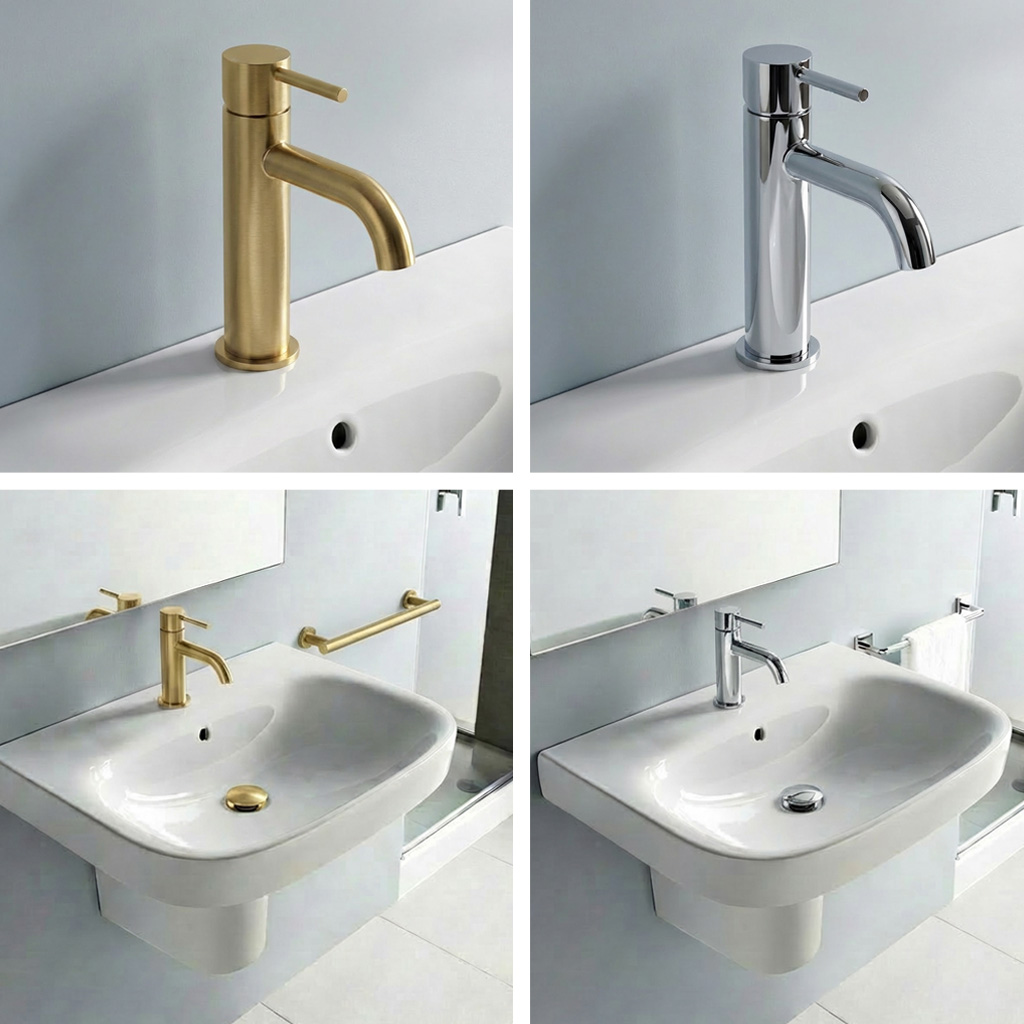
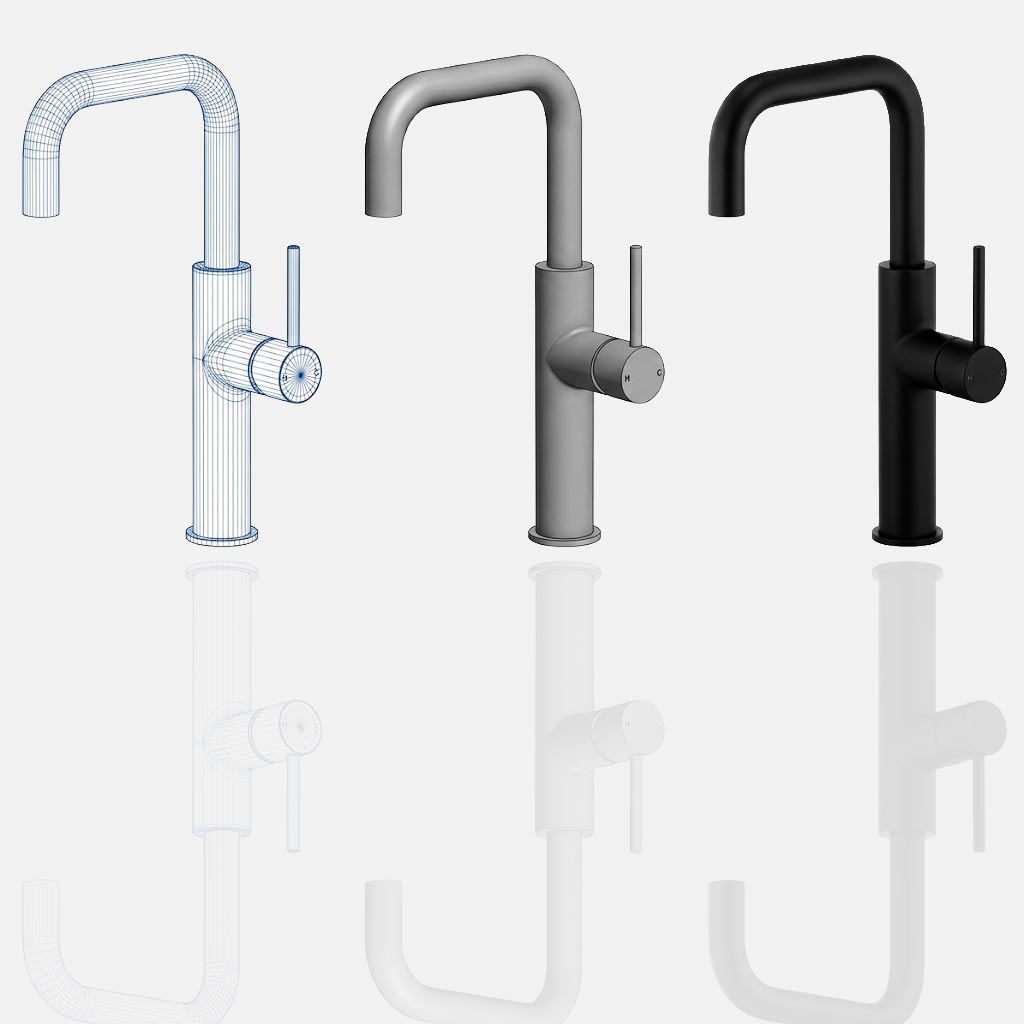
Signature is our proprietary AI-powered imagery pipeline, purpose-built for built-product manufacturers. It takes our high-standard 3D and BIM master assets and produces professional, on-brand, real-life product imagery with the depth, lighting, and quality of a studio shoot, at a fraction of the cost and a fraction of the time. Because it is driven from the master asset, every variation is captured consistently and in full alignment with the brand's visual language.
Full Catalogue Coverage, Variation by Variation
Every finish, every size, every configuration in the catalogue gets the same treatment. Need a new colourway live by next week? It is rendered, retouched, and published in days, not months. That coverage is what unlocks proper digital merchandising: complete product detail pages, comparison grids, configurator previews, marketing campaigns, and retail point-of-sale all populated from one consistent imagery system.
Where It Sits in the Bigger Pipeline
Signature is not a stand-alone tool. It is one channel in our end-to-end product digitisation pipeline. The same master asset that powers the BIM family and the 3D configurator powers the imagery. When the product changes, every channel updates from the same source. No drift, no duplication, no version mismatches between the BIM family on a designer's desktop and the photograph on the marketing page.
What Manufacturers Get
Faster time-to-market on new SKUs. Consistent brand presentation across every market and every channel. Imagery that scales with the catalogue instead of constraining it. And a measurable shift from imagery being a periodic, expensive project to imagery being an always-on, on-demand capability of the digital product platform.
Related case studies

Need help implementing this in your projects?
We build production-grade systems, not theoretical frameworks. Let's discuss your specific challenges.