One Source of Truth: Connecting Revit, dRofus, Briefs and Equipment Data
The Fragmentation Problem
On a typical hospital project, room information lives in dRofus, geometry lives in Revit, the brief lives in PDFs and spreadsheets issued by the state, equipment lists live with clinical planners, and stakeholder validations live in emails. Every one of those sources tells a slightly different story. Reconciling them is where projects lose time and where risk accumulates.
What a Single Source of Truth Actually Means
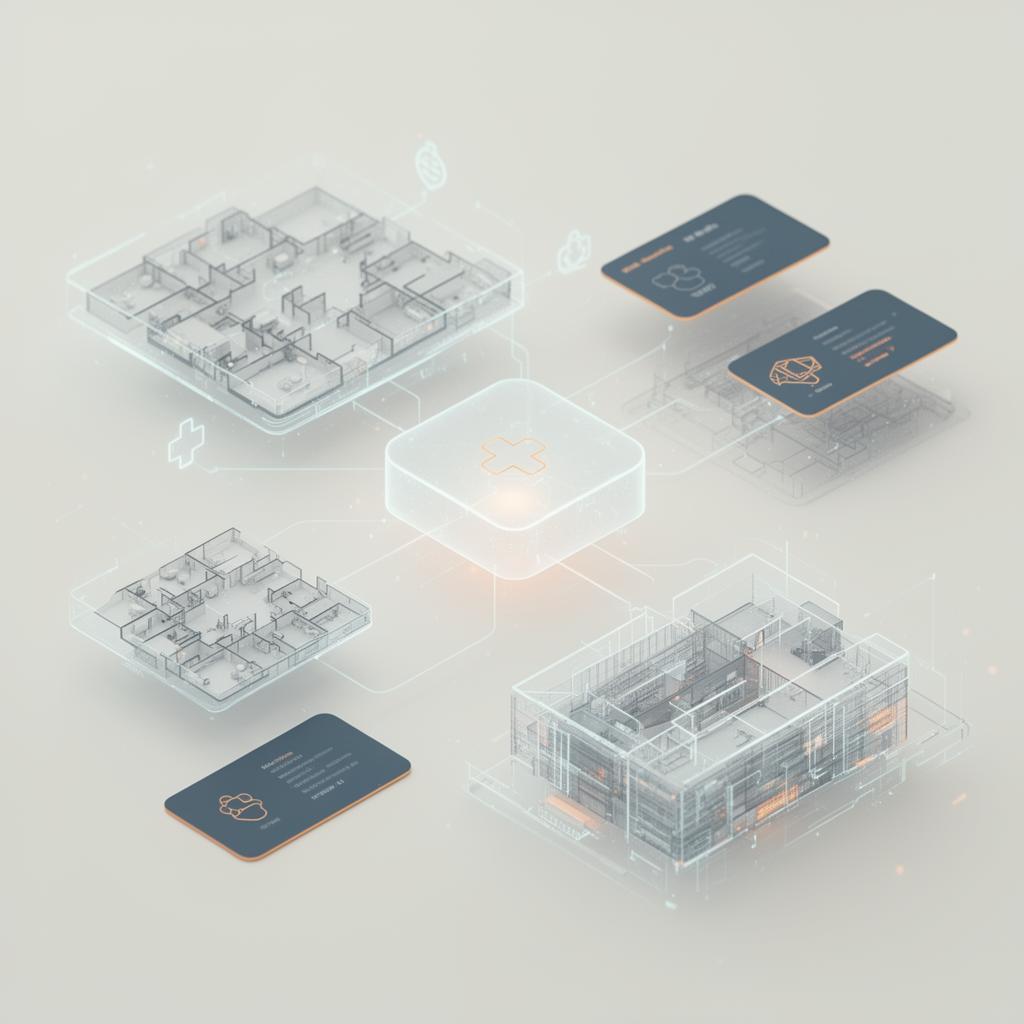
For a large Victorian Public Private Partnership hospital project with a major national builder, GIRIH X built an ecosystem where live Revit room data, dRofus, the state's brief particulars, validated equipment lists, and structured user input all reconcile into one current view. Each stakeholder sees the same numbers, the same compliance status, and the same outstanding actions.
Streamlined Checks for Every Stakeholder
Design managers see model health and brief alignment. Clinical planners see equipment and room functionality status. Contract administrators see compliance against the particulars. Quantity surveyors see consistent areas and quantities. The same source of truth, surfaced in the form each stakeholder needs.
Enablement, Not Just Integration
Connecting systems is the easy part. Enabling people is the hard part. The ecosystem is paired with AI-assisted workflows so that asking for a status, a count, or a compliance summary is as fast as asking a colleague, with the answer grounded in the project's live data.
The Outcome
Faster decisions, fewer late variations, a defensible audit trail, and a project team that spends its energy on design quality and clinical outcomes instead of reconciling spreadsheets.
Related services
Related case studies

Need help implementing this in your projects?
We build production-grade systems, not theoretical frameworks. Let's discuss your specific challenges.