AR, VR, and 3D Configurators: The New Product Experience
AR try-before-you-buy, VR showrooms and real-time 3D configurators are replacing static catalogues and PDF spec sheets as how buyers evaluate building products. All three experiences run off the same high-quality, parametric BIM model, so a BIM-first content strategy turns AR and VR delivery into a production step rather than a new project, letting manufacturers deploy across every channel from one investment.
The Shift from Catalogues to Experiences
Building product buyers, whether they are architects specifying materials, homeowners planning a renovation, or procurement managers evaluating options, increasingly expect to interact with products digitally before making decisions. Static images and PDF spec sheets are no longer sufficient. The market is moving toward immersive experiences: augmented reality that places products in your actual space, virtual reality showrooms that let you walk through configured environments, and real-time 3D configurators that let you build your exact product variant on screen. The manufacturers who deliver these experiences win specification decisions. Those who do not, lose to competitors who do.
AR: Try Before You Buy, at Scale
Augmented reality allows consumers and professionals to visualise products in their real environment using a smartphone or tablet. A homeowner can see how a new tap fits on their existing vanity. An architect can place a facade panel sample on a building elevation. A facilities manager can check whether new mechanical equipment fits in an existing plant room. The key to making AR work at scale is the BIM-first content strategy: because the 3D model already exists as a high-quality, dimensionally accurate BIM asset, converting it for AR delivery is a production step, not a new project.
VR Showrooms and Immersive Environments
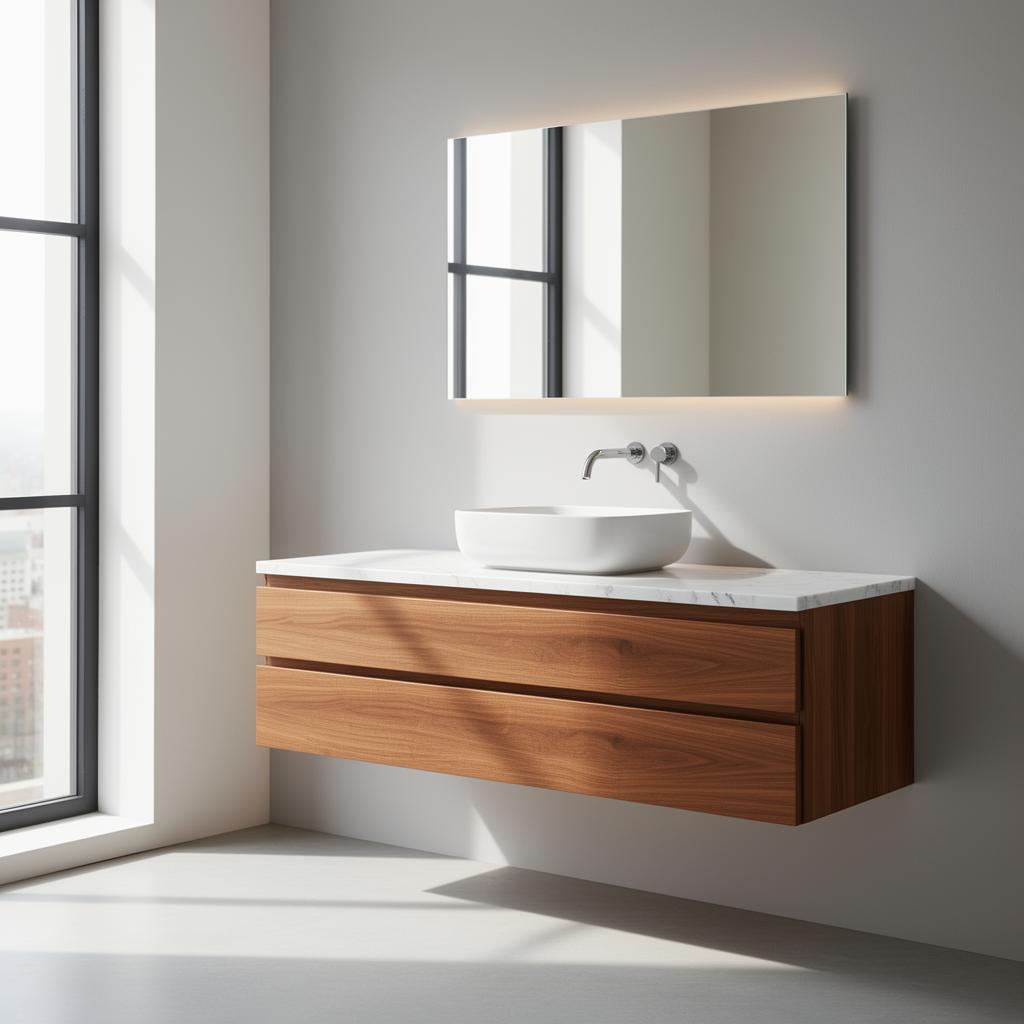
Virtual reality showrooms let manufacturers present their full product range in curated environments without the cost of physical display spaces. A bathware manufacturer can showcase every basin, tap, and vanity combination in a photorealistic virtual bathroom. A facade supplier can display their panel range on a virtual building at full scale. These experiences can be deployed on the web, in VR headsets, or as interactive installations at trade shows. The content pipeline flows directly from the same BIM assets used for technical documentation and specification.
Real-Time 3D Configurators
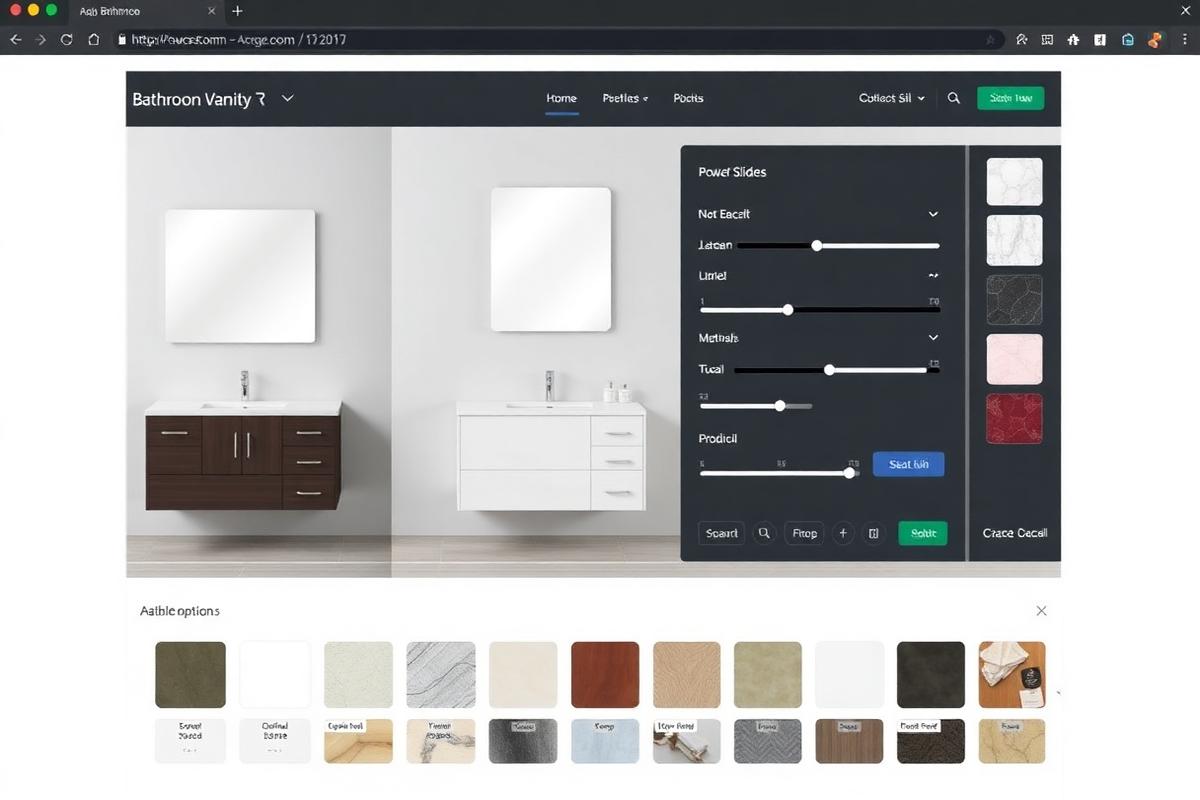
Cloud-based 3D configurators let users build their exact product variant in real time: selecting sizes, colours, finishes, accessories, and configurations. The configurator validates selections against available options, generates accurate visualisations, and outputs specification data that feeds directly into quoting and ordering systems. For manufacturers with large product ranges and many configurable options, this replaces the traditional process of custom quoting and manual specification, dramatically reducing sales cycle time while giving customers immediate confidence in their selections.
The Unified Content Pipeline
The critical insight is that AR experiences, VR showrooms, 3D configurators, and traditional BIM content all start from the same source: a high-quality, parametric, data-rich 3D model. Manufacturers who build their content strategy around this single source of truth can deploy across every channel from one investment. Those who treat each channel as a separate project duplicate effort, introduce inconsistencies, and spend multiples of what an integrated approach would cost. We build the unified pipeline that makes every channel efficient.
Frequently asked questions
Why are AR and VR becoming important for product specification?
Building product buyers, whether architects, homeowners or procurement managers, increasingly expect to interact with products digitally before deciding, and static images or PDF spec sheets are no longer sufficient. The market is moving toward immersive experiences such as AR placement in a real space, VR showroom walkthroughs and real-time 3D configurators, and manufacturers who deliver these experiences win specification decisions over those who do not.
How does AR let customers try a product before buying?
Augmented reality lets consumers and professionals visualise products in their real environment using a smartphone or tablet, for example seeing how a new tap fits an existing vanity or placing a facade panel sample on a building elevation. This works at scale because a high-quality, dimensionally accurate BIM asset already exists, so converting it for AR delivery is a production step rather than a new project.
What can a VR showroom do that a physical showroom cannot?
A VR showroom lets manufacturers present their full product range in curated, photorealistic environments without the cost of physical display space, such as showcasing every basin, tap and vanity combination in a virtual bathroom or a full panel range on a virtual building at scale. These experiences can be deployed on the web, in VR headsets, or as interactive trade show installations, all from the same BIM assets used for technical documentation.
What does a real-time 3D configurator actually do?
A cloud-based 3D configurator lets users build their exact product variant in real time by selecting sizes, colours, finishes, accessories and configurations. It validates selections against available options, generates accurate visualisations, and outputs specification data that feeds directly into quoting and ordering systems, reducing sales cycle time compared with manual specification.
Do AR, VR and configurators require separate content pipelines?
No. AR experiences, VR showrooms, 3D configurators and traditional BIM content all start from the same high-quality, parametric, data-rich 3D model. Building a content strategy around this single source of truth allows deployment across every channel from one investment, whereas treating each channel as a separate project duplicates effort and introduces inconsistencies.
Related case studies
Need help implementing this in your projects?
We build production-grade systems, not theoretical frameworks. Let's discuss your specific challenges.