BIM Content Creation: Building Digital Product Libraries That Scale
Scalable BIM content creation means building one authoritative parametric model per product and using it to generate every downstream asset: technical drawings, 3D web integrations, AR/VR experiences, configurators, renders and assembly instructions. This single-source-of-truth approach removes data discrepancies across channels and requires ongoing hosting, naming conventions and maintenance as products and platforms evolve.
The Multi-Channel BIM Model
Modern BIM content creation extends past conventional boundaries, embracing a holistic perspective. We develop 3D assets with versatile utility, serving not just building specialists (tradespeople and design consultants), but also end-users (clients and consumers). The BIM models serve as the foundation for generating additional assets tailored to diverse use cases.
From One Source to Many Outputs
A single authoritative BIM model can generate technical drawings, 3D web integrations, AR/VR experiences, 3D configurators, photo-realistic renders, and assembly instructions. This single-source-of-truth approach eliminates data discrepancies and ensures consistency across every channel.
Types of BIM Content
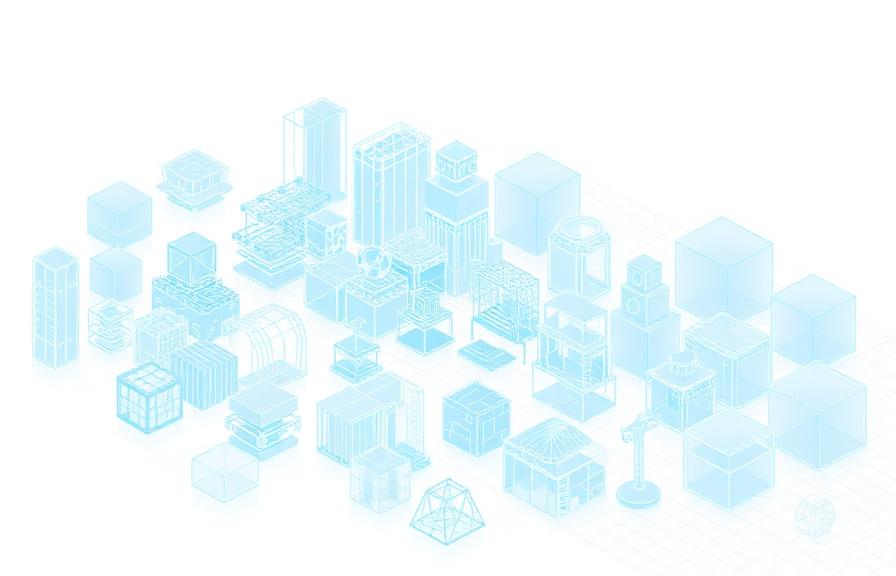
BIM content spans a wide range of building products: pipe fittings, bathware, mechanical equipment, fire equipment, roofing systems, facades, and electrical components. Each requires specific parametric rules, data structures, and output formats tailored to how specifiers, installers, and end-users interact with the product.
Interactive Assemblies and Configurators
Interactive 3D models crafted for educational and commercial use provide concise means to illustrate the assembly of individual components. Cloud-based configurators allow users to customise products (roofing profiles, gutter systems, vanity configurations) and generate specifications in real time.
Hosting and Maintenance
BIM content requires ongoing maintenance as products evolve, standards update, and platforms change. A robust content strategy includes product database hosting, unique model ID and naming conventions, ongoing model and data maintenance, and specialised training programs for teams that use the content.
Frequently asked questions
Who actually uses BIM content once it is created?
BIM content creation is built for a wide audience, not just building specialists such as tradespeople and design consultants, but also end-users including clients and consumers. The models are developed with versatile utility so they serve every one of these groups from the same underlying asset.
What outputs can a single BIM model generate?
A single authoritative BIM model can generate technical drawings, 3D web integrations, AR/VR experiences, 3D configurators, photo-realistic renders, and assembly instructions. Producing all of these from one source eliminates data discrepancies and keeps every channel consistent.
What types of building products need BIM content?
BIM content spans a wide range of building products including pipe fittings, bathware, mechanical equipment, fire equipment, roofing systems, facades, and electrical components. Each product type requires its own specific parametric rules, data structures, and output formats tailored to how specifiers, installers, and end-users interact with it.
How do configurators fit into a BIM content strategy?
Interactive 3D models can be crafted for educational and commercial use to clearly illustrate how individual components assemble. Cloud-based configurators build on this by letting users customise products, such as roofing profiles, gutter systems, or vanity configurations, and generate specifications in real time.
Does BIM content need ongoing maintenance after launch?
Yes. BIM content requires ongoing maintenance as products evolve, standards update, and platforms change. A robust content strategy includes product database hosting, unique model ID and naming conventions, ongoing model and data maintenance, and specialised training programs for the teams that use the content.
Related case studies


Need help implementing this in your projects?
We build production-grade systems, not theoretical frameworks. Let's discuss your specific challenges.