The True Cost of Manual Coordination on Mega Projects
Manual coordination, periodic meetings, 2D overlay checks, and email-based RFIs, is reactive: it catches design clashes after they are already built into documentation, often after fabrication or procurement has started. Automated coordination replaces this with continuous clash detection, cloud-based model federation, and rule-based checking, catching conflicts in hours rather than weeks. The true cost of manual coordination shows up as rework, compressed programme float, and site-originated RFIs, all of which are trackable and reducible once a federated, automated workflow is in place.
How big is the rework problem, really?
Rework cost on major construction programmes has been studied for decades, with published ranges that vary widely by sector and methodology. The Construction Industry Institute's Field Rework Index work, the UK Get It Right Initiative, and McKinsey's construction productivity research all describe rework as a multi-percentage-point drag on total installed cost on complex projects. We do not headline a single number because the range is genuinely wide; what is consistent across the literature and our own experience is that the largest portion of avoidable rework originates in design and preconstruction coordination, not on-site workmanship.
Why Spreadsheets and Weekly Meetings Fail
Traditional coordination relies on periodic design team meetings, 2D overlay checks, and email-based RFI workflows. These methods are inherently reactive: they catch problems after they have already been designed in, not before. The lag between identifying a clash and resolving it through manual processes often exceeds the programme's tolerance. By the time a resolution is agreed upon, the contractor has already started fabrication or procurement based on outdated information.
The Automated Coordination Workflow
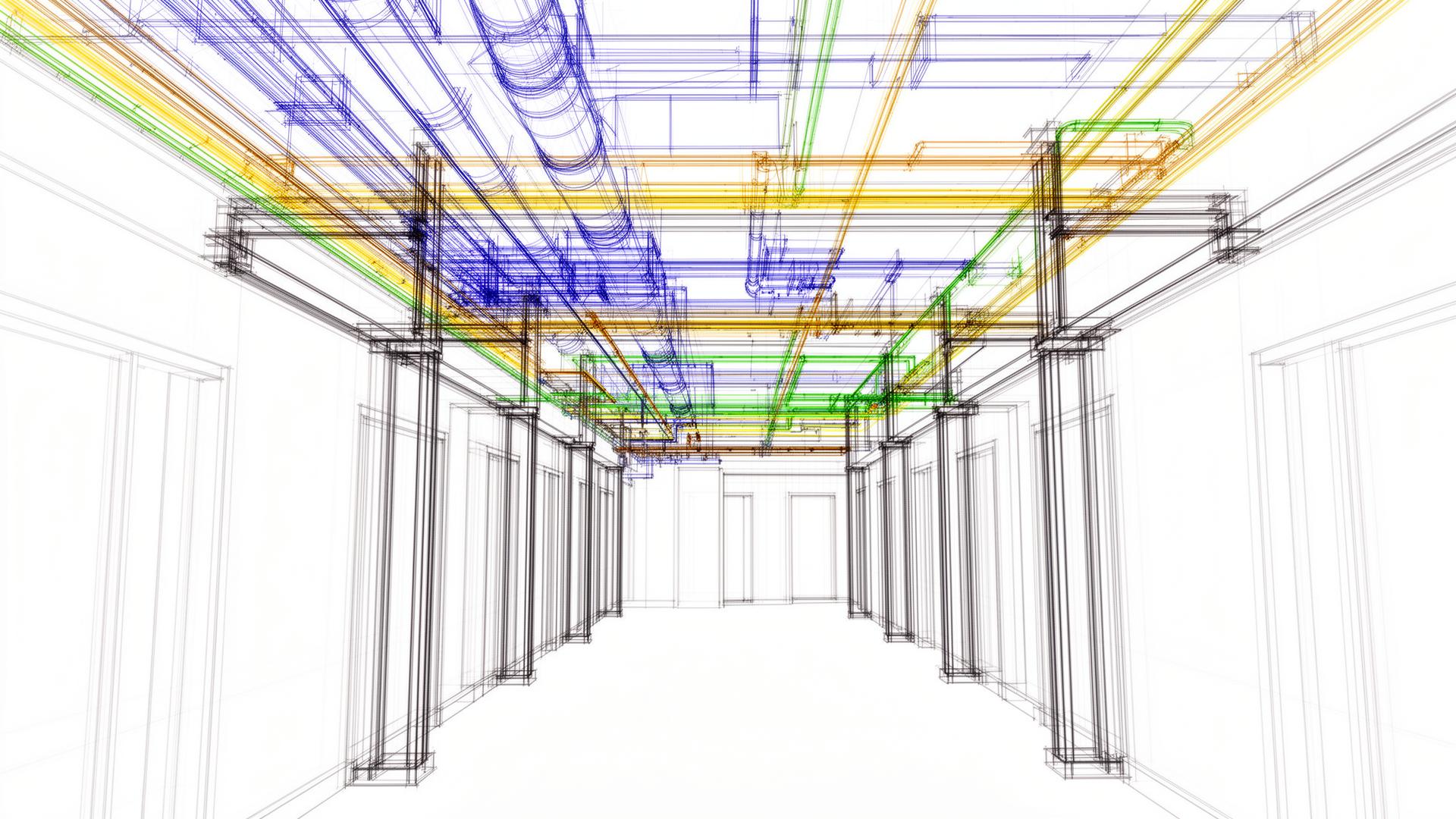
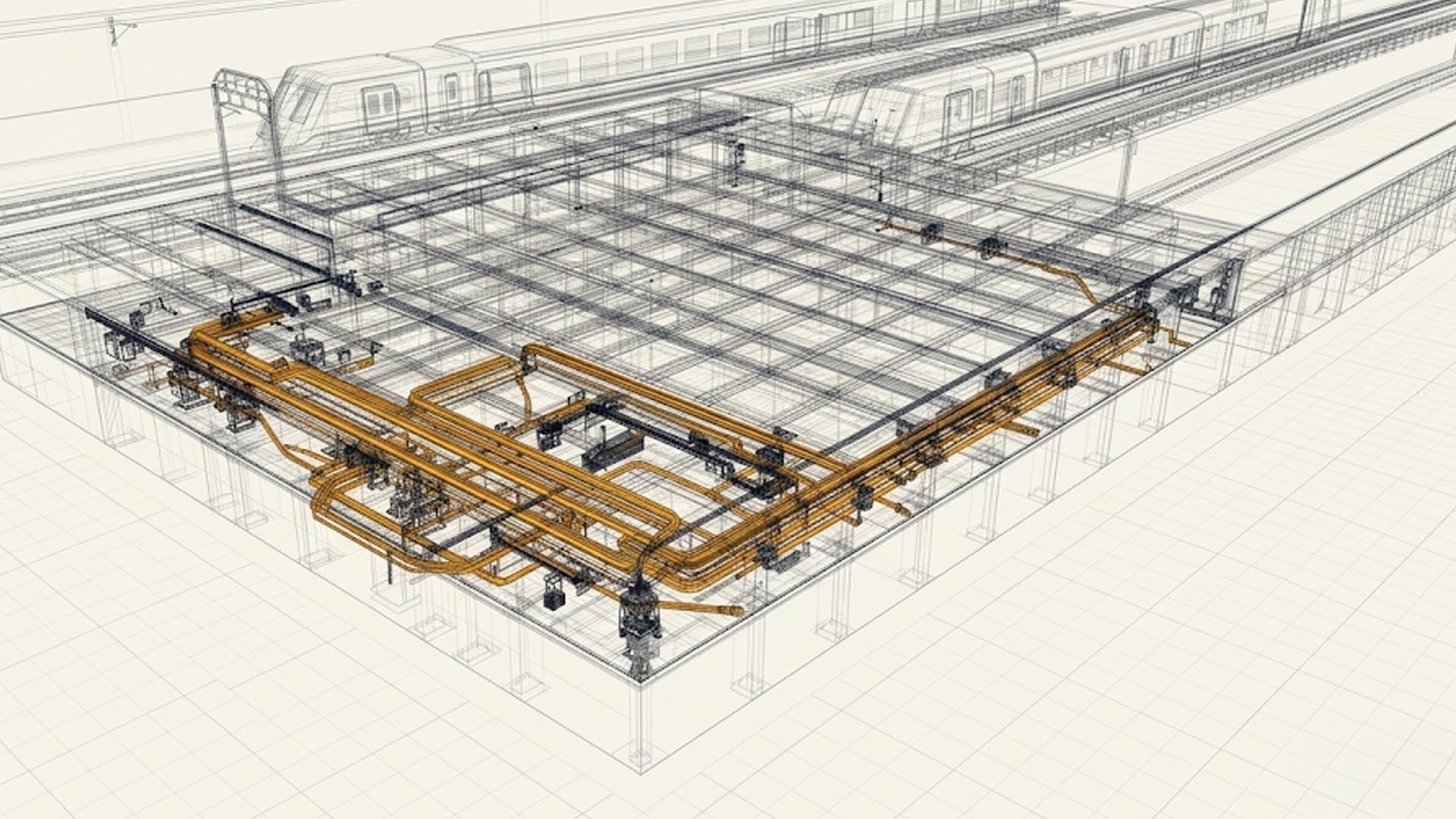
Modern VDC coordination replaces reactive processes with continuous, automated checking. Cloud-based model federation enables multiple disciplines to contribute to a single coordinated model. Automated clash detection runs on every model update, generating categorised reports that prioritise critical conflicts. Rule-based checking validates compliance with project standards, clearance requirements, and constructability constraints. The result is near-real-time spatial coordination that catches problems in hours, not weeks.
Beyond Clashes: Construction Intelligence
Effective coordination extends beyond clash detection. 4D sequencing ties the model to the construction programme, showing exactly what gets built, when, and where crane coverage, material staging, and temporary works intersect. Site logistics modelling optimises access routes, laydown areas, and vertical transport. Progress tracking overlays actual vs. planned progress on the model, giving project leadership visual, data-driven insight into delivery status.
Building the Business Case
The business case for automated coordination is built bottom-up, not from external benchmarks. Track baseline metrics first: clashes resolved pre-construction, site RFI volume, programme-impacting changes, and rework cost as a percentage of installed value. Then deploy the federation, automation and dashboard layer and track the same metrics over time. In our delivery sample, clients typically see coordination cycles compress from weeks to days and a meaningful reduction in site-originated RFIs, but the precise figures depend on the maturity of the starting point. The systems we build are not single-project tools; they become reusable coordination infrastructure across the portfolio.
Frequently asked questions
How much does poor coordination actually cost on a mega project?
Published research from the Construction Industry Institute, the UK Get It Right Initiative, and McKinsey all describe rework as a significant drag on total installed cost, though the exact percentage varies widely by sector and methodology. What is consistent across this research and our own delivery experience is that most avoidable rework originates in design and preconstruction coordination rather than on-site workmanship.
Why do traditional coordination methods like weekly meetings fail on large programmes?
Periodic design meetings, 2D overlay checks, and email-based RFI workflows are reactive by nature: they surface problems after they have already been designed in, not before. The delay between spotting a clash and resolving it manually often exceeds the programme's tolerance, so contractors can end up fabricating or procuring against information that is already outdated.
What does an automated coordination workflow actually involve?
It replaces reactive checking with continuous processes: cloud-based model federation lets multiple disciplines contribute to one coordinated model, automated clash detection runs on every model update and produces categorised, prioritised reports, and rule-based checking validates compliance with project standards, clearances, and constructability. Together these compress spatial coordination from a weeks-long cycle to hours.
Does automated coordination cover more than just clash detection?
Yes. Beyond clash detection, effective coordination includes 4D sequencing that ties the model to the construction programme so teams can see crane coverage, material staging, and temporary works interactions over time, site logistics modelling for access routes and laydown areas, and progress tracking that overlays actual versus planned progress directly on the model.
How do you build a business case for investing in coordination automation?
The business case is built bottom-up from your own project data rather than external benchmarks. Track baseline metrics first, including clashes resolved pre-construction, site RFI volume, programme-impacting changes, and rework as a percentage of installed value. Then deploy the federation, automation, and dashboard layer and track the same metrics over time to see the improvement, since the resulting systems become reusable coordination infrastructure across a portfolio rather than a single-project tool.
Related services
Built for
Related case studies

Need help implementing this in your projects?
We build production-grade systems, not theoretical frameworks. Let's discuss your specific challenges.