From Physical Catalogue to Digital Asset Ecosystem
Printed catalogues are being replaced by connected digital asset ecosystems where BIM models, product imagery, AR experiences and technical documentation all flow from one authoritative 3D source and are versioned and governed centrally. Manufacturers migrate through a phased roadmap, from auditing the product range and building a master BIM library through to automated content pipelines, PIM/DAM integration and ongoing maintenance, with performance data feeding back to guide catalogue priorities.
The End of the Printed Catalogue
For decades, building product manufacturers relied on printed catalogues, sample boards, and in-person rep visits to get products in front of specifiers and buyers. That era is ending. Architects and engineers now search for products online, evaluate them digitally, and specify them through BIM libraries and digital platforms. The manufacturers who thrive in this landscape are the ones who have transitioned from physical catalogue thinking to digital asset ecosystem thinking: not just putting a PDF online, but building a connected, searchable, interactive digital presence that meets specifiers where they work.
What a Digital Asset Ecosystem Looks Like
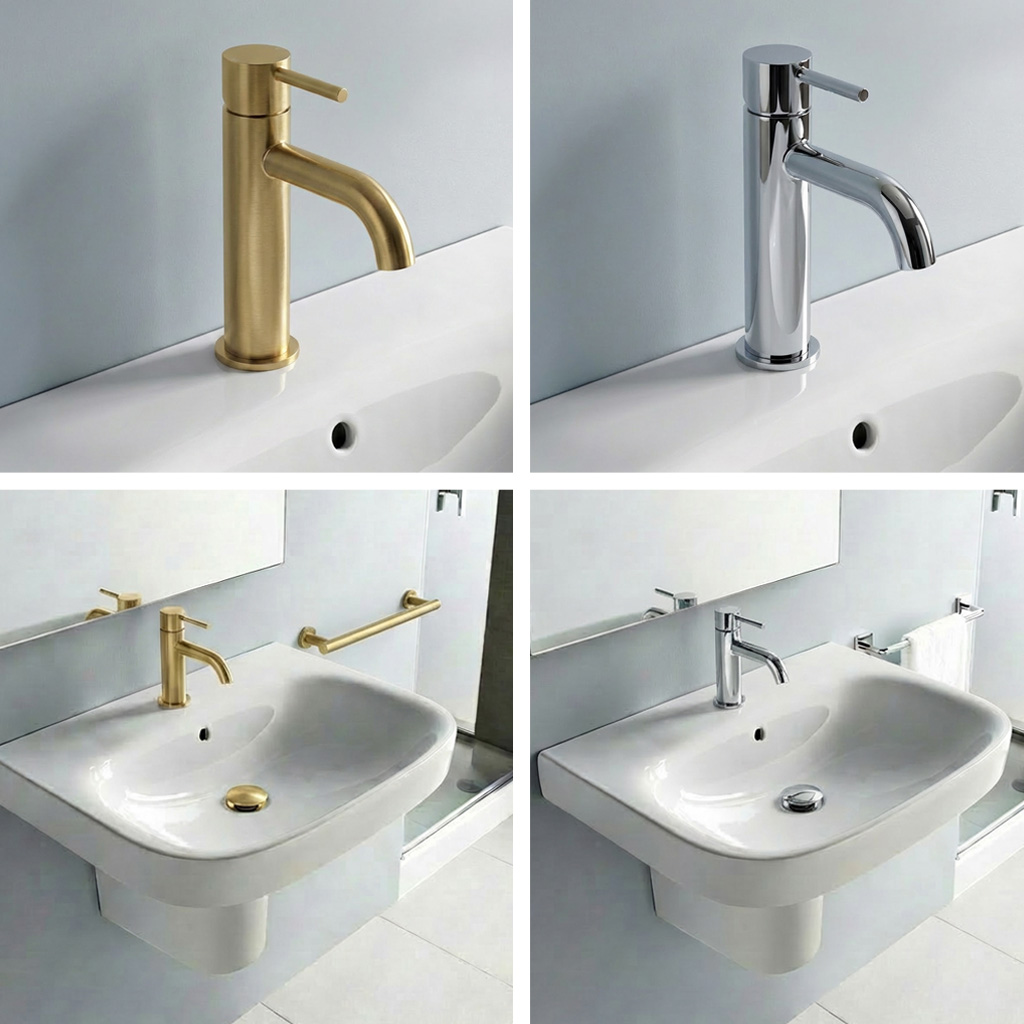
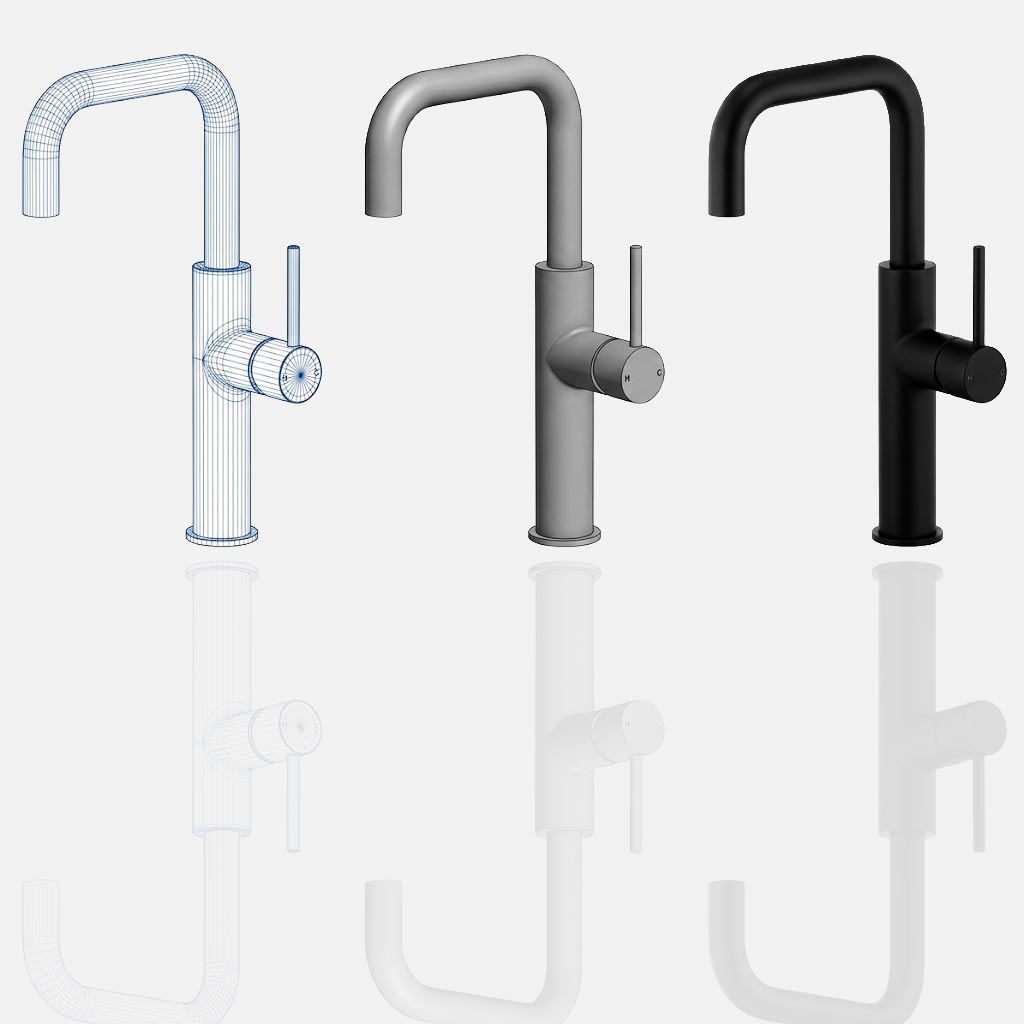
A mature digital asset ecosystem connects multiple content types across multiple channels, all flowing from a single authoritative source. BIM models on platforms like BIMobject serve design consultants who need accurate, data-rich components for their projects. Product imagery, generated from the same 3D models, populates e-commerce platforms, dealer websites, and social media. AR experiences let consumers visualise products in situ. Technical documentation, specification guides, and installation instructions are generated from the same data set. Everything is versioned, governed, and automatically updated when products change.
The Migration Path
Transitioning from a physical catalogue to a digital ecosystem does not happen overnight. We work with manufacturers on a phased roadmap. Phase one: audit the existing product range and prioritise high-value SKUs for initial digitisation. Phase two: build the master BIM library with parametric families, material definitions, and metadata structures. Phase three: deploy automated pipelines for imagery, AR, and configurator content. Phase four: integrate with PIM/DAM systems, e-commerce platforms, and BIM hosting services. Phase five: establish maintenance workflows for ongoing catalogue updates and new product launches.
Data Governance and Product Information Management
The invisible backbone of a digital asset ecosystem is data governance. Every product needs consistent naming conventions, structured metadata, accurate dimensional data, and clear versioning. Without governance, digital catalogues become fragmented and unreliable, exactly the problem they were meant to solve. We implement Product Information Management (PIM) structures that ensure every digital asset, whether it is a BIM family, a product image, or a spec sheet, is traceable to a single authoritative data source and updates propagate across all channels automatically.
Measuring Digital Catalogue Performance
Unlike printed catalogues, digital ecosystems generate data about how products are discovered, evaluated, and specified. BIM download analytics reveal which products are being placed in projects. Website engagement metrics show which configurations drive the most interest. AR session data indicates which products consumers are actively evaluating. This performance data feeds back into product development, marketing strategy, and catalogue prioritisation, creating a virtuous cycle where the digital ecosystem continuously improves its commercial effectiveness.
Frequently asked questions
Why are manufacturers moving away from printed catalogues?
Architects and engineers now search for products online, evaluate them digitally, and specify them through BIM libraries and digital platforms rather than printed catalogues, sample boards or in-person rep visits. Manufacturers who thrive are those who move from physical catalogue thinking to a connected, searchable, interactive digital presence that meets specifiers where they work.
What does a digital asset ecosystem actually include?
A mature digital asset ecosystem connects BIM models on platforms such as BIMobject, product imagery for e-commerce and dealer websites, AR experiences for visualising products in situ, and technical documentation and specification guides, all generated from a single authoritative 3D source. Everything is versioned, governed and automatically updated when products change.
How do manufacturers migrate from a physical catalogue to a digital ecosystem?
The migration follows a phased roadmap: auditing the existing range and prioritising high-value SKUs, building a master BIM library with parametric families and metadata, deploying automated pipelines for imagery, AR and configurator content, integrating with PIM/DAM systems and BIM hosting services, and finally establishing maintenance workflows for ongoing updates and new product launches.
Why does a digital catalogue need data governance?
Without consistent naming conventions, structured metadata, accurate dimensional data and clear versioning, digital catalogues become fragmented and unreliable, the exact problem they are meant to solve. Product Information Management (PIM) structures ensure every digital asset, whether a BIM family, product image or spec sheet, is traceable to a single authoritative data source, with updates propagating automatically across channels.
Can you measure how well a digital catalogue is performing?
Yes. Digital ecosystems generate data that printed catalogues cannot, including BIM download analytics showing which products are placed in projects, website engagement metrics showing which configurations drive interest, and AR session data indicating which products consumers are actively evaluating. This data feeds back into product development and catalogue prioritisation.
Related case studies

Need help implementing this in your projects?
We build production-grade systems, not theoretical frameworks. Let's discuss your specific challenges.