Manual compliance checking vs an automated pipeline: how it changes the review process
Compliance checking has worked the same way for years, but familiar doesn’t always mean efficient. Traditionally, someone opens the model, pulls up the requirements, and works through it room by room. On large healthcare or infrastructure projects, that can mean thousands of checks, repeated whenever the design changes. The process works, but it’s slow, difficult to scale, and relies on manual review. As projects and review cycles grow, that can create unnecessary compromises and risks. An automated compliance pipeline changes that equation. This article explores what happens when compliance checking moves from manual review to automation and where your team still plays a critical role.
How manual compliance checking works
On most projects, the requirements can live in one place while the design lives somewhere separately. The brief sits in spreadsheets and PDFs. The model sits in your BIM software. A person must bridge the two, cross-referencing each requirement against the model and recording what they find. That setup creates a few predictable problems: Reviews can be a snapshot in time. The moment the design changes, parts of the review become outdated, creating an extra layer of checking to ensure the requirements are still met. Full coverage is rarely realistic. When checking everything takes weeks, teams sample. High-risk areas get attention, and the rest may get a lighter pass. The knowledge sits with the checker. This means how requirements are interpreted, what exceptions should apply, or what got flagged previously becomes tied to that one person rather than a process. When that person moves on, the method goes with them. The audit trail can become fragmented. Marked-up PDFs, spreadsheet comments and email threads are hard to reconstruct six months later when someone asks why a decision was made. This isn’t a reflection of the team’s capabilities, but a mismatch or disconnect between some of the processes and the tools being used, which creates unnecessary inefficiencies. It’s what happens when a structured, repetitive task is handled with unstructured tools.
What an automated pipeline does differently
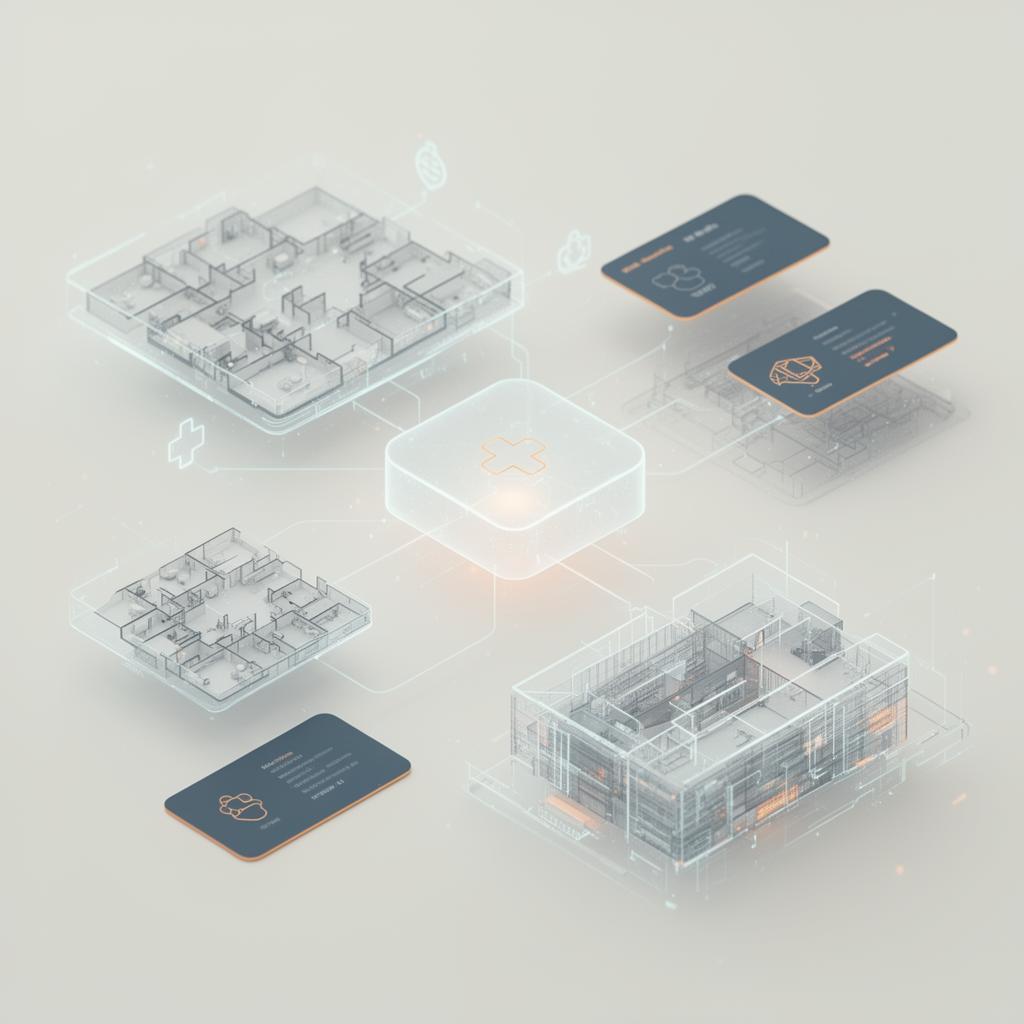
An automated compliance pipeline connects the requirements and the model directly for better efficiency. The brief becomes structured data; the model is read programmatically, and rules or AI agents run the checks. From snapshots to continuous checking: Instead of waiting at milestone reviews, checks run as the design develops. So if something drifts out of line with the brief, it can get flagged at the point of change rather than weeks later in a review cycle. As a result, issues are cheaper to fix when detected within hours than addressing them months later. From sampling to full coverage: A pipeline does not get tired at check number eight hundred. Every room, every parameter, every requirement is checked the same way each time. The question shifts from 'what did we manage to review?' to 'what did the system flag?'. From individual knowledge to structured rules: Requirements are encoded once and applied consistently across the project. When a standard or a brief changes, you can simply update the rule. The interpretation logic becomes an asset the whole team can see, question and improve without relying heavily on individuals to manually check things off. From marked-up PDFs to a real audit trail: Every check is logged, including what was tested, which version of the model was used, and the result. That traceability supports structured information management under frameworks like ISO 19650, and it makes the 'why was this approved?' conversation a quick lookup rather than a search through old files and email threads.
What doesn't change
An important part of the process is maintaining human intervention, where any judgement calls stay within your team. An automated pipeline can surface issues, but it is then up to the team or individual to decide what to do about it. Edge cases, interpretation questions and design choices still need your team’s judgement, while formal sign-off still sits with the relevant certifiers and authorities. This highlights that automation supports the compliance process; it doesn’t replace it, and it should never be treated as a guarantee. Instead, it frees up your team’s time from doing manual checks so they can spend more time making informed decisions and thinking at a higher level.
What this looks like in practice
Healthcare is a useful example because the compliance load is heavy and the requirements are well structured. Room data sheets define what every space needs, right down to fixtures and clearances, which makes them ideal for automated checking. Connecting that briefed data to the model means every room can be validated against its requirements continuously, with AI agents handling the repetitive comparison work and the team reviewing what gets flagged. The shift is the same one automation delivers elsewhere. Review processes that took weeks per cycle can be completed in hours, with greater coverage in the process.
Frequently asked questions
Does automated compliance checking replace certifiers or the approval process?
No. Formal approvals, certification and professional judgement stay exactly where they are. The pipeline prepares the evidence and surfaces the issues; people make the decisions and authorities give the sign-off.
Which requirements can be automated?
Structured, rule-based requirements automate well. This includes room areas, clearances, fixture counts, naming and data standards, and briefed parameters. Requirements that need interpretation or context stay with your team. Most projects are a mix, and the split becomes clear during scoping.
Do we need to replace our existing BIM software?
No. A compliance pipeline works alongside the tools your team already uses and reads model data and briefed requirements from the platforms where they already live.
How long does it take to set up?
It depends on how structured your requirements already are. If briefed data exists in a platform like dRofus, a first working pipeline can be running within weeks. If requirements live in PDFs and spreadsheets, structuring them is initially required. All in all, it pays off well beyond compliance checking.
Is this only relevant to healthcare?
No. Healthcare often shows the clearest gains because the volume of requirements is a lot, but the same approach applies anywhere structured requirements meet a model. This can include data centres, infrastructure, education, government and defence projects among others.
Related case studies

Need help implementing this in your projects?
We build production-grade systems, not theoretical frameworks. Let's discuss your specific challenges.