Automating Revit Audits Across 25+ Complex Models
Auditing 25 or more complex Revit models on a hospital programme can be automated with bespoke Revit Addins and Autodesk DataExchange flows that periodically validate every model against a master baseline. Checks range from project origin alignment and grids to workset structure, naming standards, parameter validation against the project data dictionary, and data availability compliance metrics. Running these audits on a schedule, with results in dashboards, surfaces model health issues early while they are still cheap to fix.
Why Manual Model Audits Break at Scale
On a complex hospital programme, you do not have one Revit model. You have dozens, often 25 or more, each heavy, each multi-discipline, each evolving weekly. Manual audits at that scale are inconsistent, slow, and inevitably miss things. By the time a problem is found, it has already propagated downstream.
What We Built
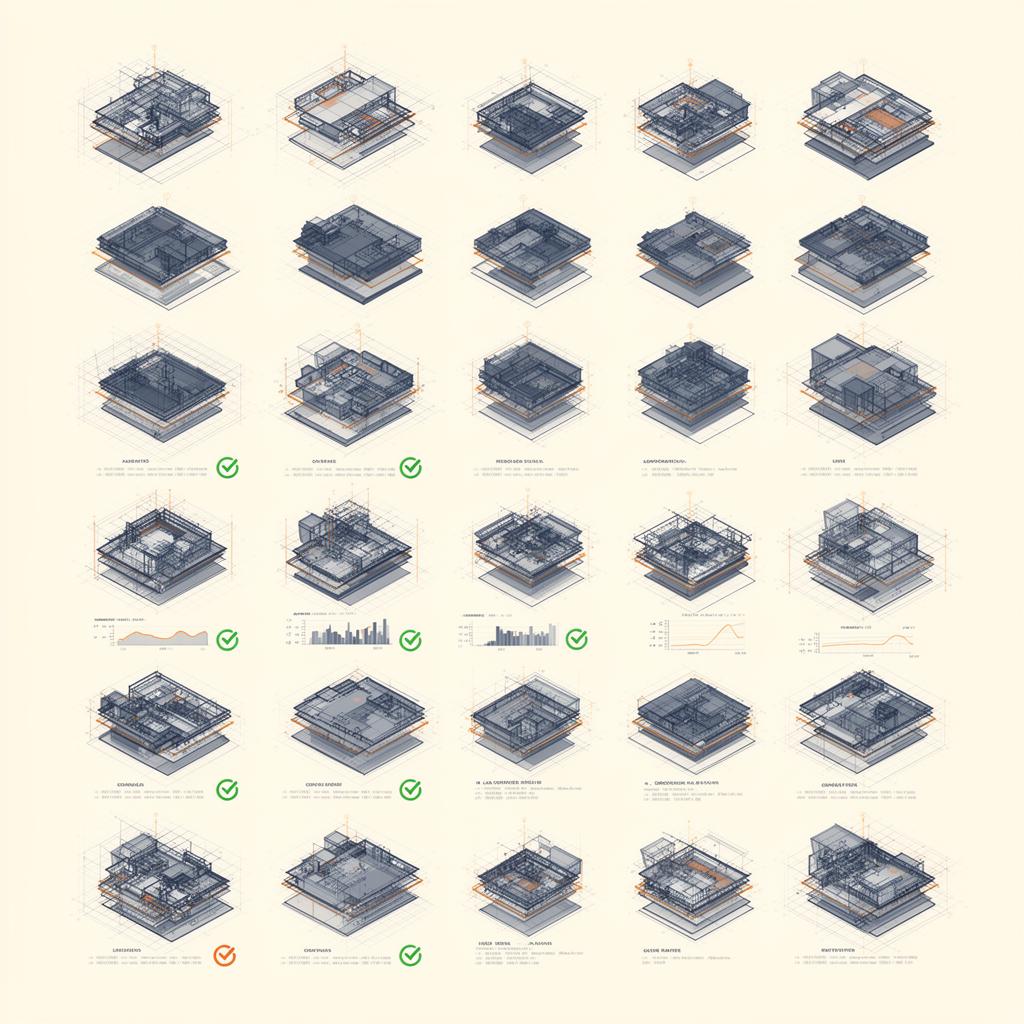
For a large Public Private Partnership hospital project, GIRIH X built an automated Revit audit framework that periodically validates more than 25 complex models against a master baseline. The framework is composed of bespoke Revit Addins and Autodesk DataExchange flows that integrate model data across the entire project.
From Origins and Grids to Parameters and Data Availability
Checks span the full spectrum. At the simplest level: project origin and shared coordinates alignment, grids and levels consistency. Moving up: workset structure, view template adherence, naming standards. At the most complex: parameter validation against the project data dictionary, schedule integrity, and data availability compliance metrics that quantify how complete each model is against what the project actually requires.
Periodic, Repeatable, Dashboarded
The audits run on a schedule, not on request. Results land in dashboards that leads can act on. Trends become visible: which model is improving, which is regressing, which discipline is consistently behind on data completeness. Conversations with consultants are anchored in evidence, not opinion.
Why It Matters
Model health stops being a surprise. Issues are surfaced early, when they are cheap to fix. The design team focuses on resolving exceptions instead of hunting for them. And the project sponsor gets confidence that what they are paying for is actually being delivered to the standard agreed.
Frequently asked questions
Why does manual Revit model auditing fail on large hospital programmes?
On a complex hospital programme there is not one Revit model but dozens, often 25 or more, each heavy, multi-discipline, and evolving weekly. Manual audits at that scale are inconsistent, slow, and inevitably miss things, and by the time a problem is found it has often already propagated downstream into other models and disciplines.
What does an automated Revit audit framework actually consist of?
For a large Public Private Partnership hospital project, GIRIH X built an automated Revit audit framework that periodically validates more than 25 complex models against a master baseline. The framework is composed of bespoke Revit Addins and Autodesk DataExchange flows that integrate model data across the entire project.
What kinds of checks does the audit framework run?
Checks span the full spectrum of model health. At the simplest level they cover project origin and shared coordinates alignment, and grids and levels consistency. Moving up in complexity, they cover workset structure, view template adherence, and naming standards. At the most complex level, they include parameter validation against the project data dictionary, schedule integrity, and data availability compliance metrics that quantify how complete each model is against what the project requires.
How often do the model audits run and how are results shared?
The audits run on a schedule rather than on request. Results land in dashboards that project leads can act on, making trends visible, such as which model is improving, which is regressing, and which discipline is consistently behind on data completeness. This anchors conversations with consultants in evidence rather than opinion.
What is the business benefit of continuous Revit model auditing?
Model health stops being a surprise because issues are surfaced early, when they are still cheap to fix. The design team can focus on resolving exceptions instead of hunting for them, and the project sponsor gets confidence that what they are paying for is actually being delivered to the standard agreed.
Related case studies


Need help implementing this in your projects?
We build production-grade systems, not theoretical frameworks. Let's discuss your specific challenges.